
The technology and preparation method used for THC edibles dramatically affects how quickly they kick in and how long they last. It’s also a differentiator that brands sometimes use to describe their fast-acting ones.
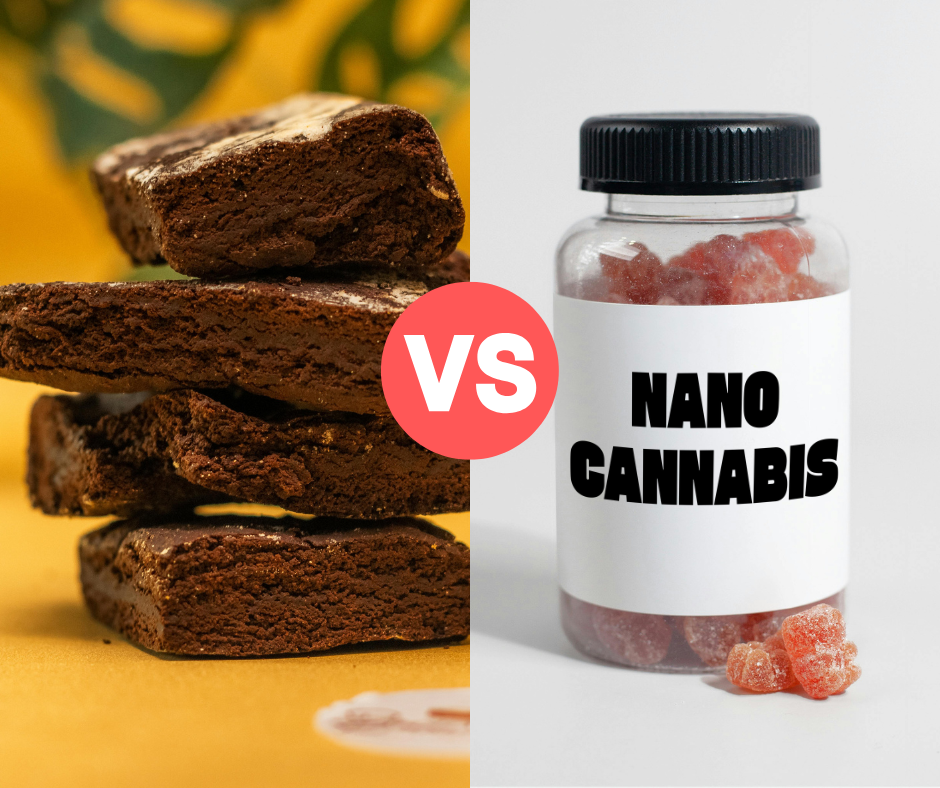
Traditional Edibles
Typical Onset: 45-120 minutes | Approximate Duration: 6-8+ hours
This applies to those “pot brownies” you may have cooked at home many years ago along with the products seen in today’s dispensaries like baked goods, gummies, and candies. These edibles are absorbed through your digestive system. The THC travels to your liver where it’s converted to 11-hydroxy-THC, which is more potent and crosses the blood-brain barrier more effectively. This takes longer than other methods (see below), but it typically produces more intense and longer lasting effects. Fat content matters, as the THC binds to fats, so edibles with butter or oil often hit harder.
Nanoemulsion Technology
Typical Onset: 15-45 minutes | Approximate Duration: 4-6 hours
This is an emerging technology and one that brands often charge more for in comparison to their slower counterparts. Nanoemulsion breaks THC into tiny nanoparticles (usually under 100 nanometers) that are water-soluble. The smaller size means faster absorption through your stomach lining and intestinal walls, bypassing some of the liver metabolism. You’ll feel effects quicker but they typically don’t last as long. Many newer beverages and “fast-acting” gummies utilize this.
A commonality for any THC products that you ingest is that your metabolism, the food you’ve eaten beforehand and your tolerance for THC will play a role in both onset timing and duration.